JITSUTARO SUSUMAGO Kina-Kina Kokeshi Doll, NAMBU School 1979
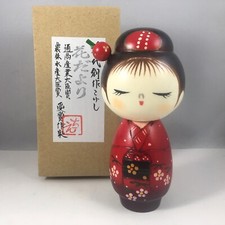
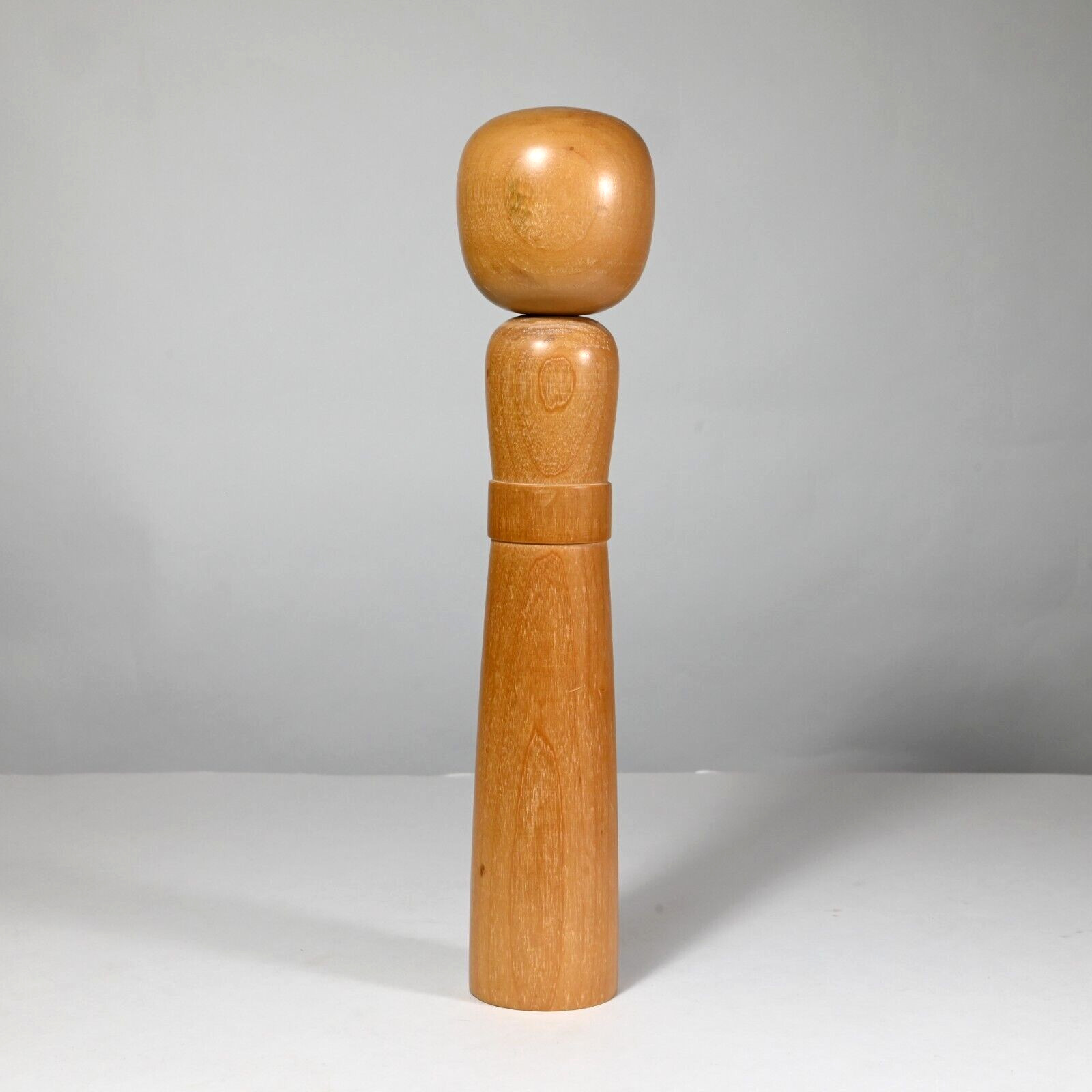
This used JITSUTARO SUSUMAGO Kina-Kina kokeshi doll from the NAMBU School is dated 1979 and is offered in the Collectibles category. It’s a traditional Japanese kokeshi piece suited for collectors of vintage folk art and signed/dated examples. Check the listing for details on any markings, exact measurements, and cosmetic wear. The item ships with free shipping, and the price is listed at $39.00 USD.




| Location | New York US |
| Shipping | Free shipping (check listing for details) |
| Seller |
rznewyork
100.0% positive · 882 feedback
|
| Listing | FixedPrice · Active |
| Start time | 2025-12-11T13:34:09.000Z |
| Country of Origin | Japan |
| Provenance | Ownership History Not Available |
| Featured Refinements | Kokeshi Doll |
| Handmade | Yes |
| Culture | Japanese |
Thank you for looking. Please visit my other listings of contemporary and antique Japanese art.Buy several and save – please feel free to inquire.Master Jitsutaro Susumago 煤孫実太郎 (1908-1984) kina-kina kokeshi, Nambu School. Hanamaki City, Iwate Prefecture. 1979.An elegant kina-kina kokeshi by the highly regarded Nambu tradition craftsman Jitsutaro Susumago. Originally, kina-kina toys were unpainted wooden bobblehead dolls for babies, inspring the Nambu tradition of kokeshi. This doll features a sash and represents a revival of the dolls by the first-generation Nambu maker Chiyomatsu Kamata of Dai Onsen (a "Chiyomatsu type" doll). Kokeshi collectors value Nambu dolls for the minimalist elegance of their form, and this kokeshi is an excellent example. This kokeshi was made in March 1979 and was sold for 8,000 yen (an equivalent of approximately $50 - a very large amount in Japan at that time).Height: approximately 12 inches. Weight: 319 gSusumago JitsutaroBorn on October 9, 1908 in the village of Hanamaki, Iwate Prefecture, Jitsutaro Susumago was the eldest son of woodcarver Mokichi Susumago. In 1923, at the age of 15, after graduating from high school, Jitsutaro began training in woodcarving on a foot-operated potter's wheel under his father Mokichi and has been making kina-kina type kokeshi dolls ever since. Until around 1951, Jitsutaro worked alongside his father Mokichi and some of the kina-kina signed by Mokichi are in fact made by Jitsutaro. (Given that the kina-kina kokeshi are not painted, it is nearly impossible to identify the maker from the shape of the wood alone.)In the “List of Kokeshi Artists" in Fukazawa Kaname's Kokeshi no Hito guide (August 1938), Jitsutaro's name appears alongside Susumu Mokichi as the artist of Hanamaki Nakina. This was the first time Sanetaro was mentioned as an artist. Tachibana Bunsaku's Kokeshi Zanmai guide features a photograph of Jitsutaro turning a foot-operated wheel using a hasumi-guruma. After his father Mokichi passed away in 1958, Jitsutaro continued the family business. Jitsutaro’s works are faithful to the style of his father Mokichi. However, Sanetaro's ingenuity was in the beautiful materials and finish. Nishida Minekichi, an authority on kokeshi, wrote the following: "Among the kina-kina that Suesu has made up until now, the ones with the most prominent grain are cherry, zelkova, mountain pear, ash, and beech. The ones with the most beautiful
color are mountain ash and birch, and the ones with the most beautiful polished bark are kosanbara, plum, itaya, etc."Jitsutaro played an important role in preserving the Nambu tradition. He had heard and remembered in detail from his father about his father's masters, namely Chiyomatsu Kamata of Dai Onsen, Yajiro Abo of Morioka, and Seijiro Matsuda. An academic and erudite man with an interest in folklore, Jitsutaro's memories were accurate and rich in content, making him a valuable source of information for the kokeshi world. He attended the Tokyo Kokeshi Friendship Association and gave lectures, such as a lecture on Chiyomatsu Kamata. He also had a deep affection for Kenji Miyazawa, who came from his hometown, and was involved with the "Kenji Miyazawa Friendship Association." Susumago-san passed away on August 24, 1984, at the age of 77.Nambu Tradition Nambu is one of the eleven established schools of dento (traditional) kokeshi that originated in Iwate Prefecture. They originated as kina-kina toys, unpainted wooden “teething” dolls for babies with very smooth surface. These unpainted toys would have movable heads, similar to the modern “nodders”, where the head would flop back and forth making a knocking noise. The head would be of the snap-on type, attached loosely so that it would turn and wobble. Though these plain dolls are minimalist in terms of decoration, their unique, flowing forms are visually appealing because of their inherent elegance. At one point, some Nambu artists, influenced by the popularity of Naruko and Togatta kokeshi, began painting the plain Nanbu dolls with stylized chrysanthemums. These decorated dolls, called Hanamaki, would also have painted faces with bangs, side fringes, double eyelids, and cat or round noses. For shipping outside the United States, please inquire. K458