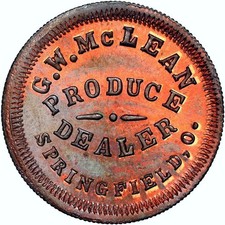
1961 Bashlow CSA Confederate Cent Restrike Coin NGC MS67 Red
This 1961 Bashlow CSA Confederate Cent restrike coin is offered in uncirculated Mint State condition, certified by NGC as MS67 Red. It is listed in the Coins & Paper Money category and is ideal for collectors seeking authenticated, high-grade restrikes. Free shipping is included with the purchase. No additional description is provided, so check the listing for details such as composition, diameter, and any packaging or return terms.


| Location | Snow Hill US |
| Shipping | Free shipping (check listing for details) |
| Seller |
shore_coin
100.0% positive · 144 feedback
|
| Listing | FixedPrice · Active |
| Start time | 2025-12-08T17:10:40.000Z |
| Circulated/Uncirculated | Uncirculated |
| Composition | Copper |
Mint State Bashow 1961 Confederate CSA Cent RestrikeAn MS67 Red graded example of this popular CSA-related exonumia. As pictured, bright red and free from any significant defect.This slab has been in storage since the coin was encapsulated some years ago and is nearly unmarked. Shipped USPS First Class Package. This item will be dispatched from Texas.BackgroundOpinions vary on the origin of the Confederate Cent, created by the Philadelphia diemaker Robert Lovett. The traditional story is that Lovett was contracted to design the coin prior to the War breaking out. North-South hostilities began, however, before he could deliver examples to Richmond, and he became concerned that his work would be seen as treasonous. After about a dozen original examples were made, the dies were buried. These original 1861 strikes found their way to a collector, purportedly after Lovett accidentally spent one. The collector made a further ~70 examples, and then defaced the dies. (These early strikes remain highly sought after by collectors ... and extremely expensive). Others contend that there is little original documentation to support the traditional story that Lovett prepared the dies for the Confederacy, suggesting that they were made after the war as a form of memorabilia. Yet, by the same token, it is clear that strikes from the original dies existed by the early 1870s, and whether prepared for the CSA itself or made shortly after the War, they remain a notable artifact of the War.With the original strikes unobtainable for the vast majority of collectors, sometime before 1961, Bashlow purchased Lovett's defaced dies, and on the 100th anniversary of the War made 17,500 strikes (10,000 in copper). He then donated the dies to the Smithsonian, where they remain today.