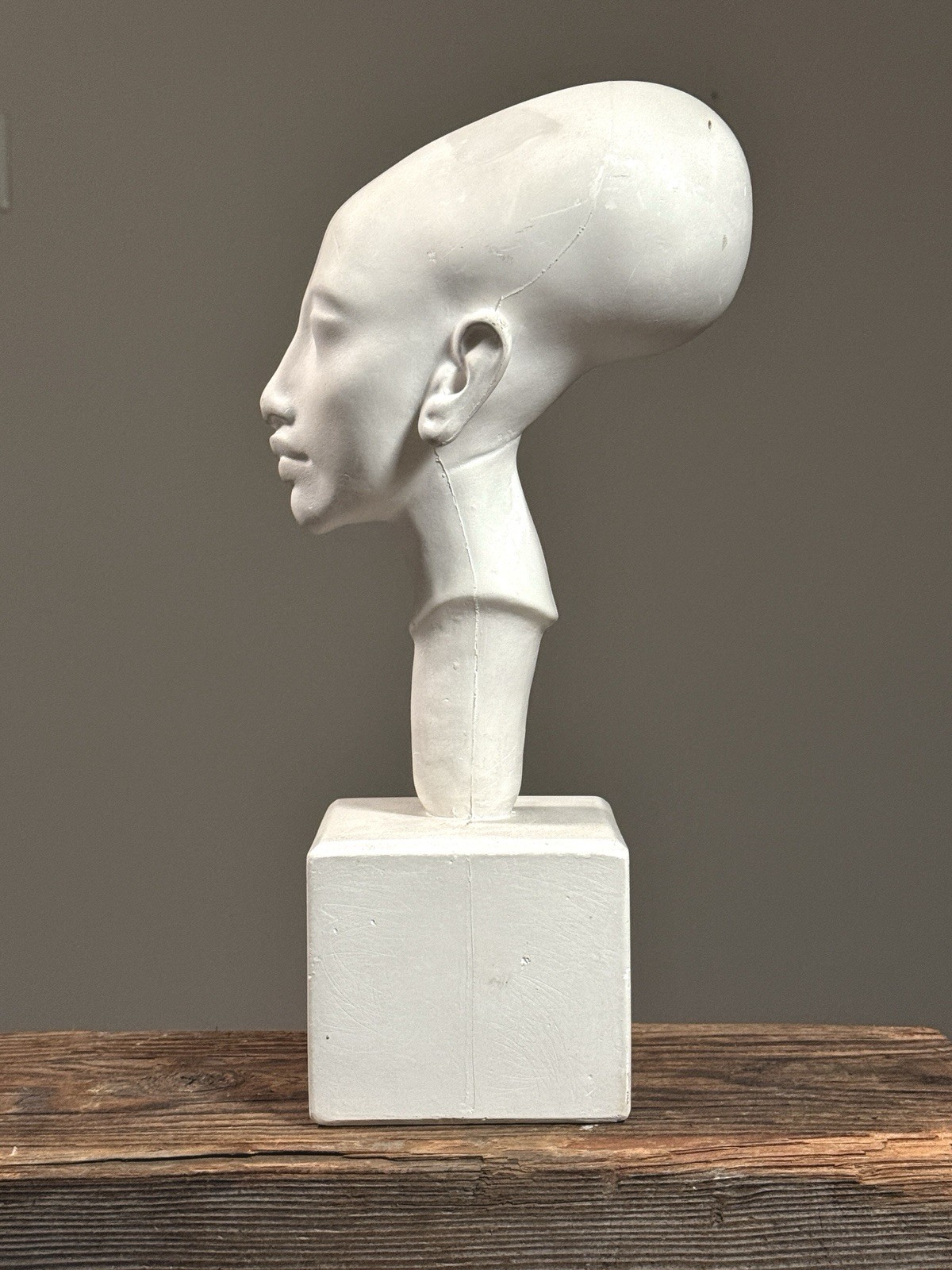
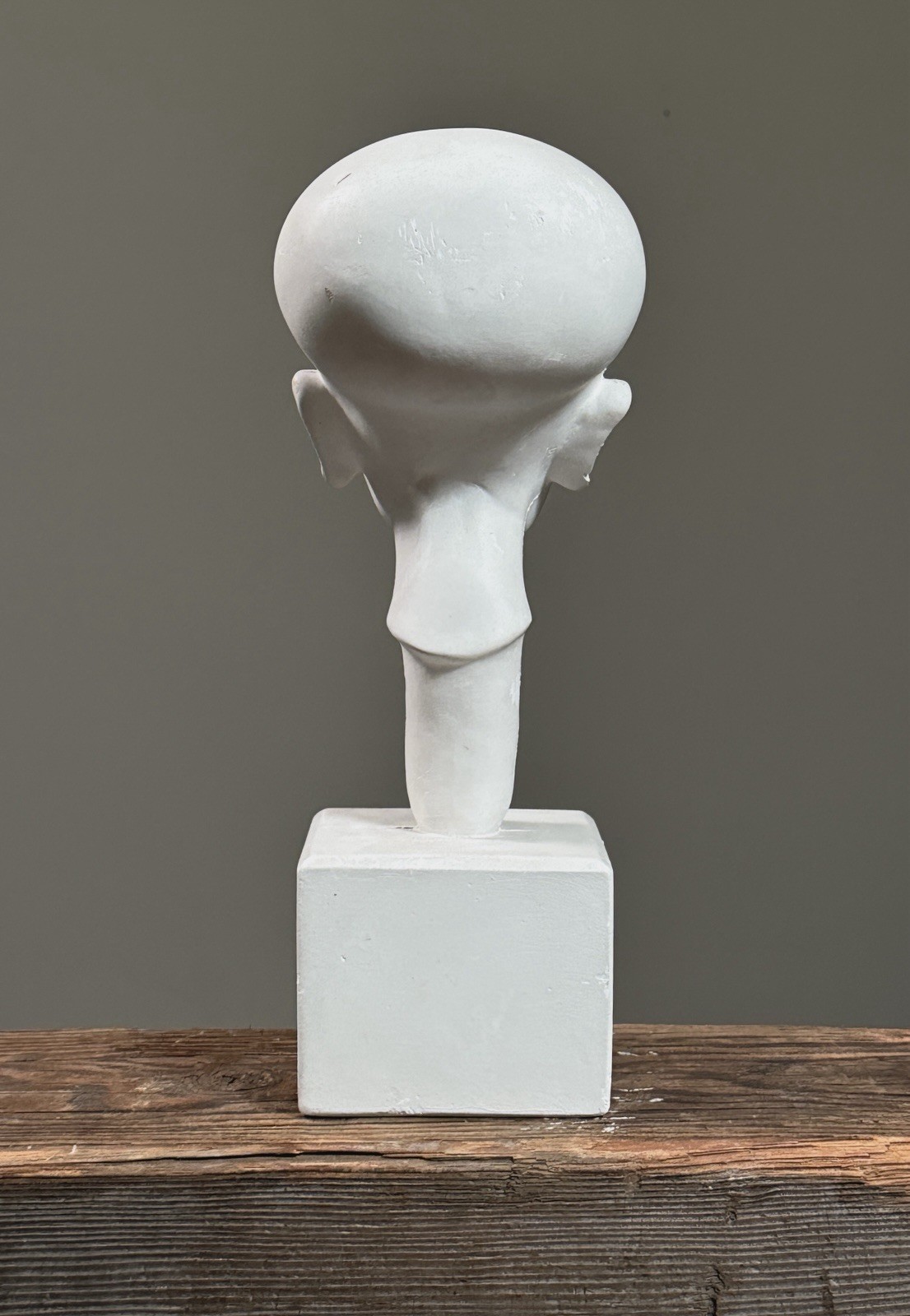
Vintage Head of an Amarna Princess Sculpture (Plaster Cast)
Check the listing for details.




| Location | Philadelphia US |
| Shipping | Free shipping (check listing for details) |
| Seller |
versacrumstudio
100.0% positive · 271 feedback
|
| Listing | FixedPrice · Active |
| Start time | 2026-03-15T13:53:09.000Z |
| Material | Plaster |
| Type | Sculpture |
| Format | Statue |
| Style | Figurative Art, Art Deco, Expressionism, Primitivism |
| Theme | Mythological, Art, People |
| Production Technique | Plaster Cast |
| Subject | Busts, Women, Mythology |
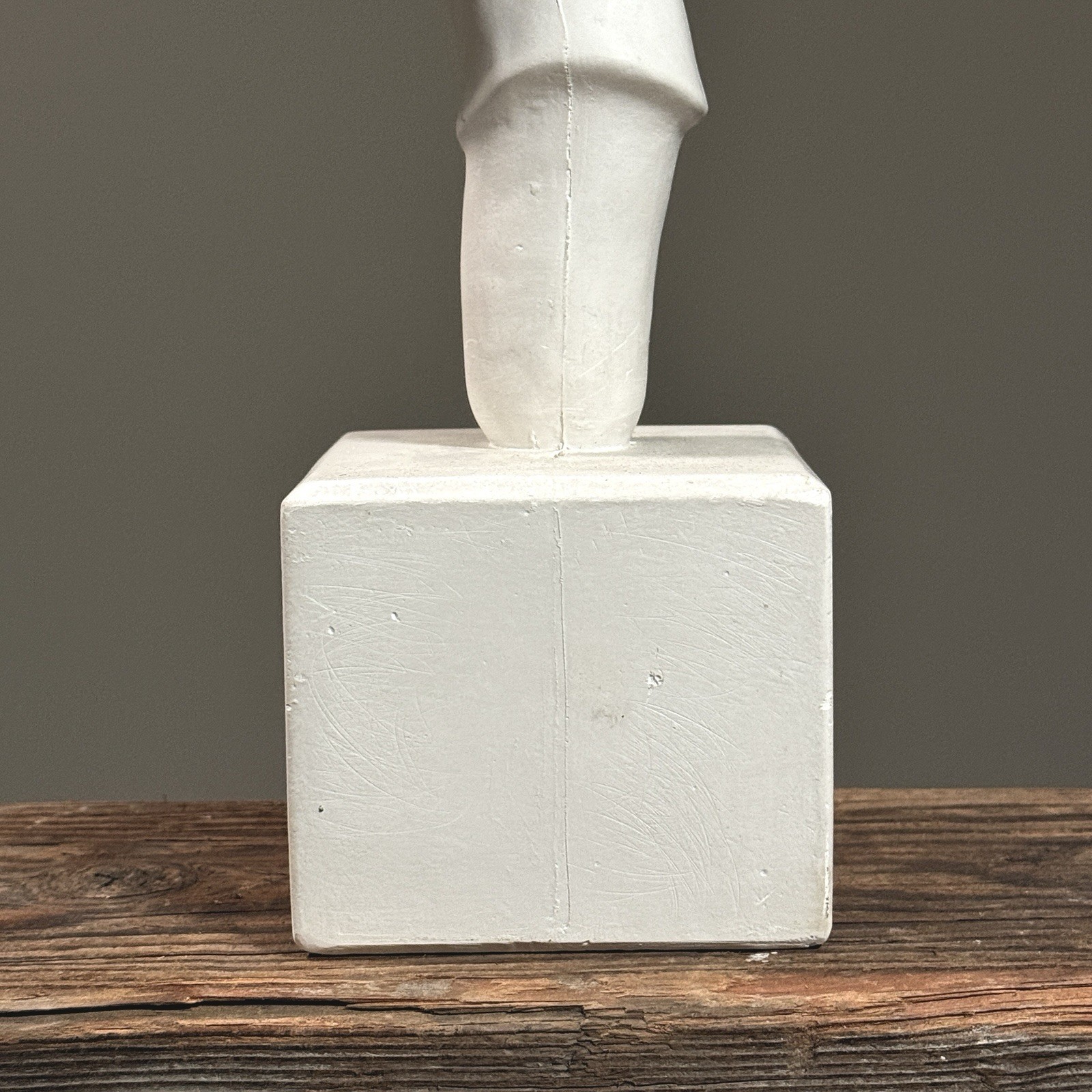
A vintage plaster sculpture after the head of an Amarna princess, dating to the 18th Dynasty, Reign of Akhenaten (circa 1350-1333 BCE). The object measures 13.75 inches in height, 4.3 inches in width, and 6.75 inches in depth. The sculpture reproduces the distinctive elongated cranium characteristic of Amarna period artistic conventions, wherein physical exaggeration was customary for representations of the royal family. The original from which this cast derives is held in the Egyptian Museum, Cairo. The object remains in good condition with wear consistent with age. Prospective collectors are directed to accompanying photographs for detailed condition assessment.Historical Context: Amarna Period Royal PortraitureThe Amarna RevolutionThe Amarna Period (circa 1353-1336 BCE) represents one of the most distinctive and radical episodes in ancient Egyptian art history. Under the reign of Pharaoh Akhenaten, who abandoned the traditional pantheon in favor of exclusive worship of the sun disk Aten, artistic conventions underwent dramatic transformation . The new style rejected the idealized forms that had dominated Egyptian art for millennia in favor of exaggerated, expressive representations of Royal WomenThe heads of princesses carved during this period are striking because of their elongated skull shapes. They are among the most independent works of the Amarna sculptors . Scholars empha
size that any attempt at a medical explanation for these forms is misguided; rather, in their expressive style, these heads bear witness to the new art movement under Akhenaten . The distinctive cranial elongation became a hallmark of royal representation, extending to depictions of Akhenaten, Nefertiti, and their six daughters.The Workshop of ThutmoseMany of the most famous Amarna period sculptures, including the iconic bust of Nefertiti, originated in the workshop of the sculptor Thutmose at Tell el-Amarna (ancient Akhetaten) . Excavations by the German Oriental Society in 1912 revealed this studio, where numerous plaster portrait studies were discovered . These included 22 plaster casts of faces, some depicting older women with every wrinkle and sag—an artistic anomaly in a culture that traditionally stylized women as uniformly youthful and beautiful famous bust of Nefertiti, now in Berlin's Neues Museum, was found in this same workshop context . Made of limestone with a gypsum stucco surface, it served as an artist's model rather than a finished work intended for display Heads in Museum CollectionsSeveral original Amarna princess heads reside in major museum collections:Egyptian Museum, Berlin (ÄM 14113): A limestone princess head from the Amarna Period, 18th Dynasty (1351-1334 BCE). Plaster casts after this original are available through the Gipsformerei Berlin Museum, Berlin (Inventory No. 21223): An Amarna princess head, after which plaster replicas have been produced Museum, Cairo: The original after which the present cast is modeled, featuring the characteristic elongated skull and Amarna style conventions.The Cast Trade and Museum ReplicasThe production of plaster casts after important museum objects has a long history dating to the nineteenth century. The Gipsformerei (Plaster Cast Workshop) in Berlin, established in 1819, maintains thousands of historical moulds and continues to produce casts for museums and collectors worldwide . These replicas serve educational purposes, allowing museums without originals to display important works and enabling collectors to own accurate reproductions of masterpieces .