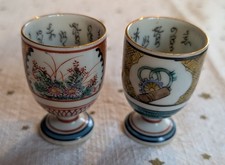
Arita Blue & White Flower Teacup, Edo Period c.1850s, Hand Painted
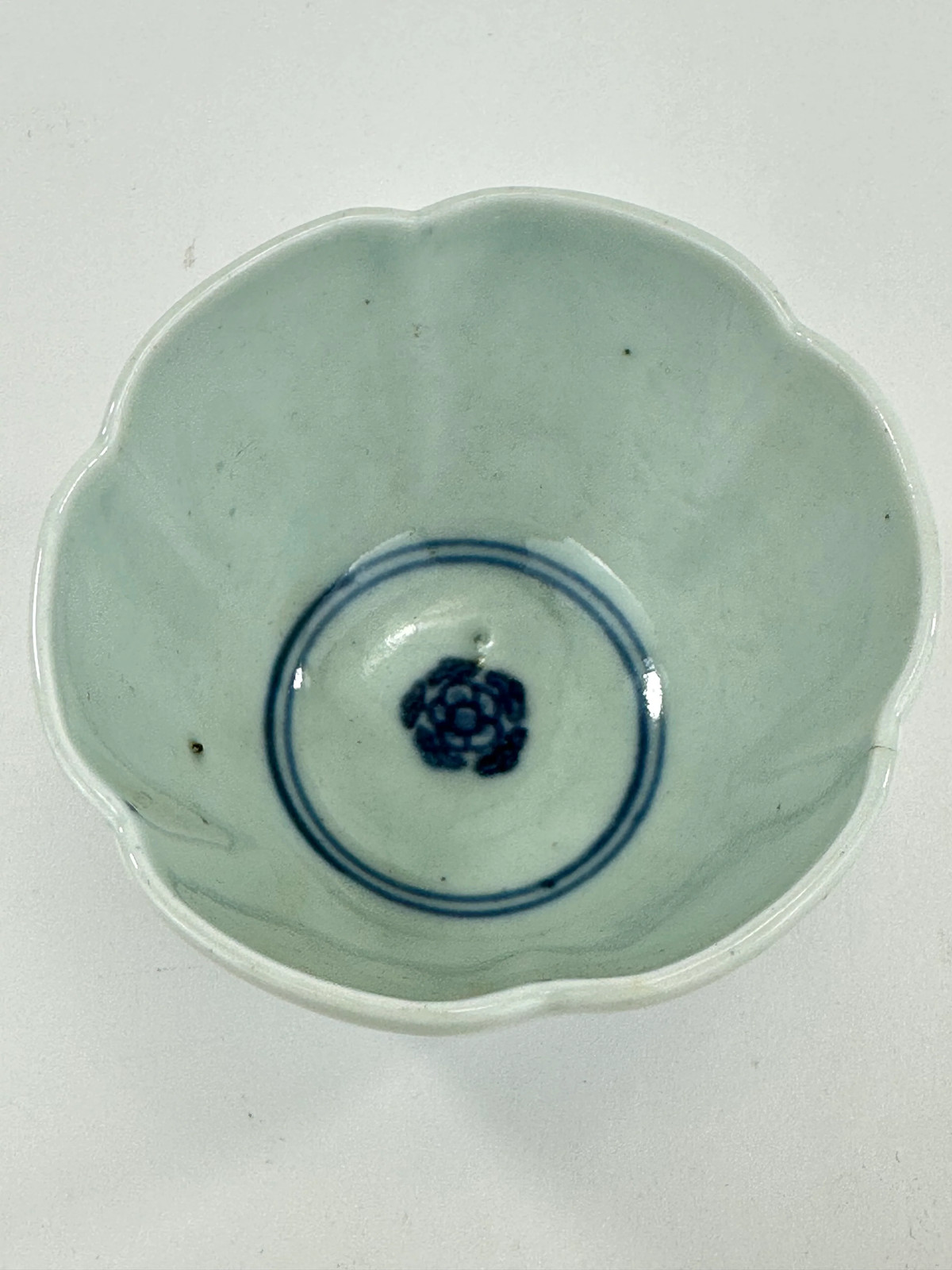
This Arita blue and white flower teacup from Japan’s Edo Period (circa 1850s) features hand-painted decoration and is listed in the Antiques category. The item is offered at $25.30 USD with free shipping. Condition is not provided in the listing, so check the listing for details on wear, chips, cracks, repairs, and any signs of age consistent with antique ceramics. Review the photos and description carefully to confirm the exact pattern, dimensions, and what is included before purchasing.




| Location | Portland US |
| Shipping | Free shipping (check listing for details) |
| Seller |
shoguns
100.0% positive · 3604 feedback
|
| Listing | FixedPrice · Active |
| Start time | 2025-11-28T01:53:07.000Z |
| Color | Blue |
| Age | 1900-1940 |
| Original/Reproduction | Vintage Reproduction |
Japanese Edo Period c1850's Arita Blue & White Flower Teacup Hand Painted Hairline 3"WAntique Japanese Blue & White Porcelain Teacup – Chrysanthemum Lobed Form – Edo Period (c. 1800–1850)Dimensions: approx. 3.25″ diameter × 2.5″ HA beautiful hand-painted blue-and-white porcelain teacup with a six-lobed chrysanthemum rim and interior double-ring medallion featuring a floral crest. The exterior decoration shows a flowing botanical scene executed in soft underglaze cobalt, typical of late Edo aesthetics—light, airy brushwork conveying seasonal grasses and wildflowers bending in the wind.The foot bears a hand-painted kiln mark, and the porcelain body shows the subtle glaze pooling and painting variation characteristic of early- to mid-19th-century production.The rim is shaped in a kiku-gata (chrysanthemum) motif, a classical symbol of longevity, imperial authority, and autumn beauty in Japan.ConditionVisible hairline stabilized with age-appropriate discoloration (see photos); minor glaze inclusions and firing marks typical of hand-crafted Edo ceramics; no rim chips; structurally sound.Provenance & UseOriginally used for tea or sake service, these refined small bowls were part of elite household tableware or used in seasonal gatherings. Today they display beautifully as part of a ceramic collection or wabi-sabi interior setting.A graceful example of Edo-period Japanese porcelain, valued for its form, handwork, and poetic natural motif.