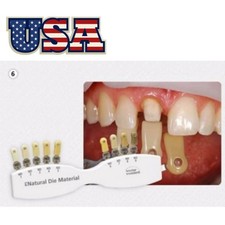
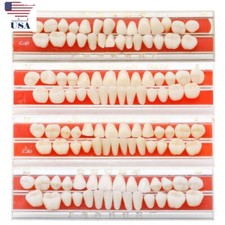
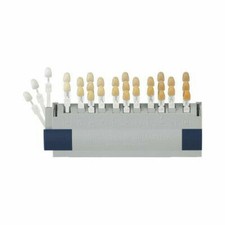
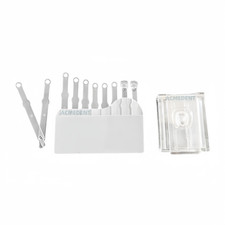
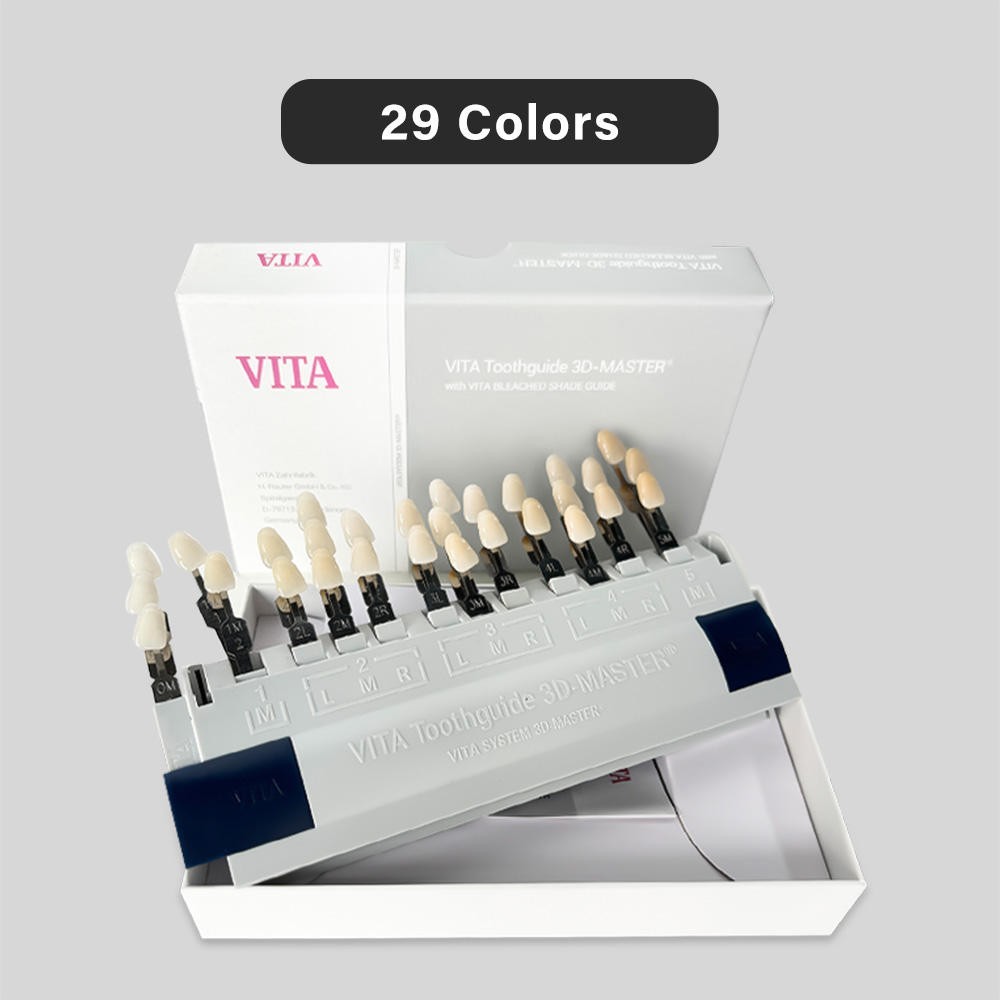
Porcelain VITA Shade Guide Classical 29 Colors Dental Whiting Color palette
Check the listing for details.




| Location | Guangdong CN |
| Shipping | Free shipping (check listing for details) |
| Seller |
guciribu200013
0.0% positive
|
| Listing | FixedPrice · Active |
| Start time | 2025-08-05T15:00:01.000Z |
| pieces | 1 box |
| Brand | Vita |
| Function | compare color |
| Net content | 200g |
| Model | Classical |
| Odor Type | Rose |
| Applicable Subject | Adult |
| Intended Use/Discipline | Dental Laboratory, Dentistry, Endodontics |
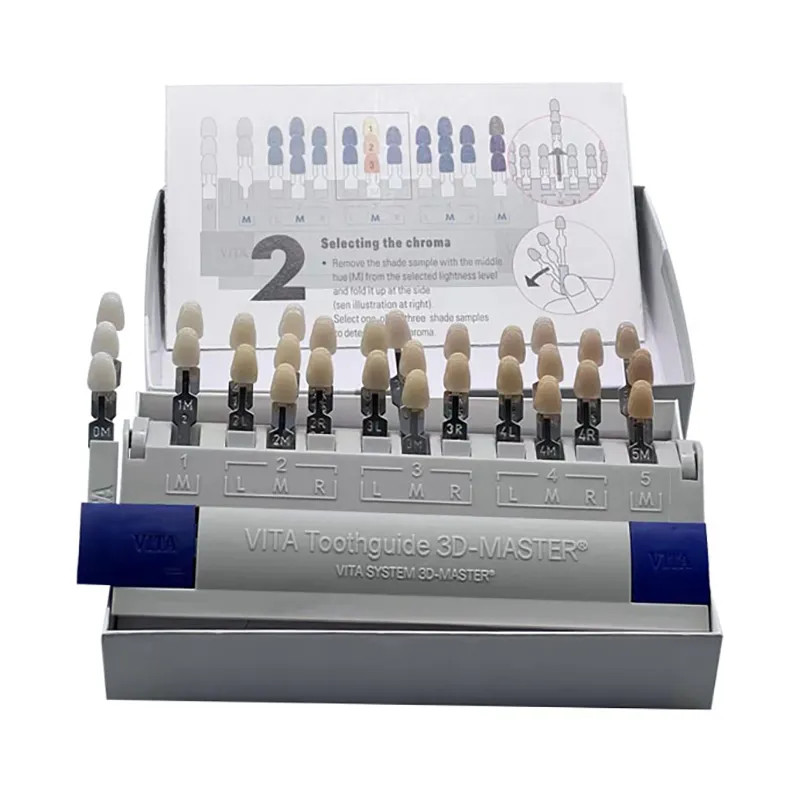
Core innovation: Abandoning the traditional way of grouping by tone (such as red and brown, red and yellow), the 3D-MASTER system is based on the three elements of
color (brightness, saturation, tone) for three-dimensional logical arrangement, which is more in line with the natural law of
color recognition by the human eye.Lightness (Lightness - L) dominates: This is the first key to choosing
color . The colorimetric plate is divided into 5 brightness groups (1-5), of which brightness 1 is the brightest and brightness 5 is the darkest. Each brightness group is further subdivided by saturation and tone.Saturation (Chroma - C): refers to the intensity or intensity of the color. In each brightness group, the saturation increases from the middle to both sides (e.g.: 1.5M1 -> 2M1 -> 3M1, the larger the number, the higher the saturation).Hue (Hue - M/L/R): After the brightness and saturation are determined, the subtle differences in tone are reflected in the suffix letters:M (Middle - Middle Tone): The most neutral and common tone.L (Light - yellowish/bright tone): more yellowish (more "warm") than M tone.R (Red - reddish/dark tone): is redder than M tone (more "warmer" but deeper).