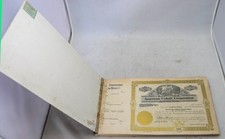
Metropolitan Cross Town Railway $1000 bond 1890 Not cancelled Signed by Widener
Check the listing for details.

| Location | Concord US |
| Shipping | Free shipping (check listing for details) |
| Seller |
antiquestocks*com
100.0% positive · 1926 feedback
|
| Listing | FixedPrice · Active |
| Start time | 2025-12-07T00:38:04.000Z |
| Circulated/Uncirculated | Circulated |
| Type | Bond |
| Country of Origin | United States |
Metropolitan Cross Town Railway $1000 bond 1890 Issued and Not cancelled Hand Signed by Peter A. B. Widener as presidentone of the founding organizers of American Tobacco Company, International Mercantile Marine Company, and U.S. SteelPartial sheet of coupons attachedPeter Arrell Browne Widener (1834–1915) Peter Arrell Browne Widener was one of the most prominent American businessmen and philanthropists of the late 19th and early 20th centuries. Born on November 13, 1834, in Philadelphia, Pennsylvania, he rose from modest beginnings to become one of the wealthiest men of his era, amassing a fortune through transportation, utilities, and industrial investments. Widener began his career as a butcher and supplier during the American Civil War, contracting with the Union Army. His business acumen and connections soon led him into local politics, where he served as the City Treasurer of Philadelphia in the 1870s. It was during this time that he began investing in streetcar systems—ventures that would lay the foundation of his immense wealth. Along with partners William L. Elkins and Charles Tyson Yerkes, Widener helped build and consolidate urban transit lines in Philadelphia, Chicago, and other major American cities, pioneering the use of electric streetcars and shaping the modern public transportation industry. Recognizing the rise of industrial America, Widener wisely diversified his interests. He was an early investor in several of the country’s most powerful corporations, including U.S. Steel, Standard Oil, and the American Tobacco Company. His close association with industrial titans such as John D. Rockefeller, J.P. Morgan, and Andrew Carnegie placed him among the elite group of financiers who defined the Gilded Age. Widener’s fortune also allowed him to become a major art collector and philanthropist. His mansion, Lynnewood Hall, located in Elkins Park, Pennsylvania, was one of the grandest private homes in the United States. Designed by architect Horace Trumbauer, it housed an extraordinary art collection featuring works by Rembrandt, Vermeer, Raphael, and other European masters—many of which later formed the core of the Widener Collection at the National Gallery of Art in Washington, D.C. Tragedy struck the Widener family in 1912 when his son, George Dunton Widener, and grandson, Harry Elkins Widener, perished aboard the Titanic. Despite this loss, Widener continued to devote his later years to philanthropy, contributing to hospitals, cultural institutions, and educational causes. Peter Arrell Browne Widener died on November 6, 1915, at his estate in Elkins Park. His legacy endures through his contributions to American industry, urban development, and art, as well as through the continued influence of the Widener family in business and philanthropy.